
Semi Tire Wear Patterns
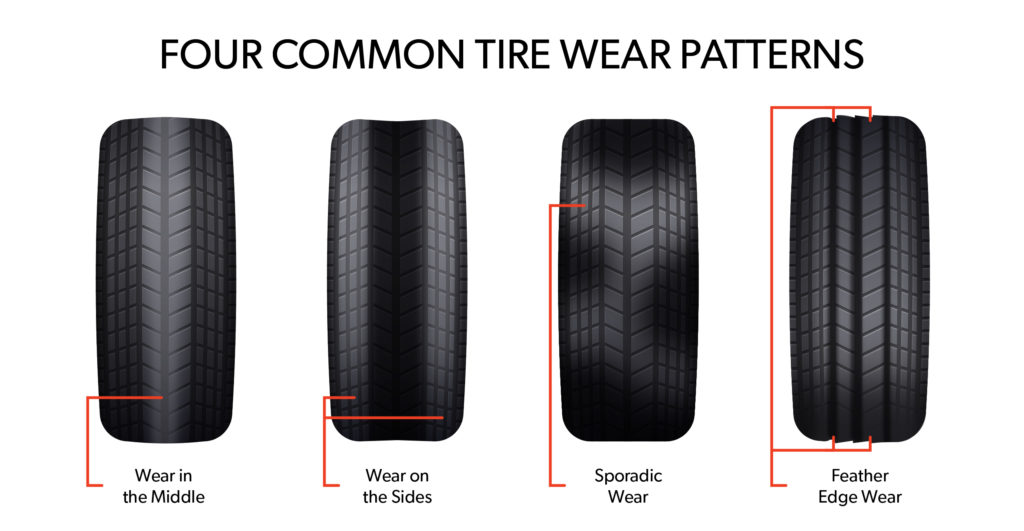
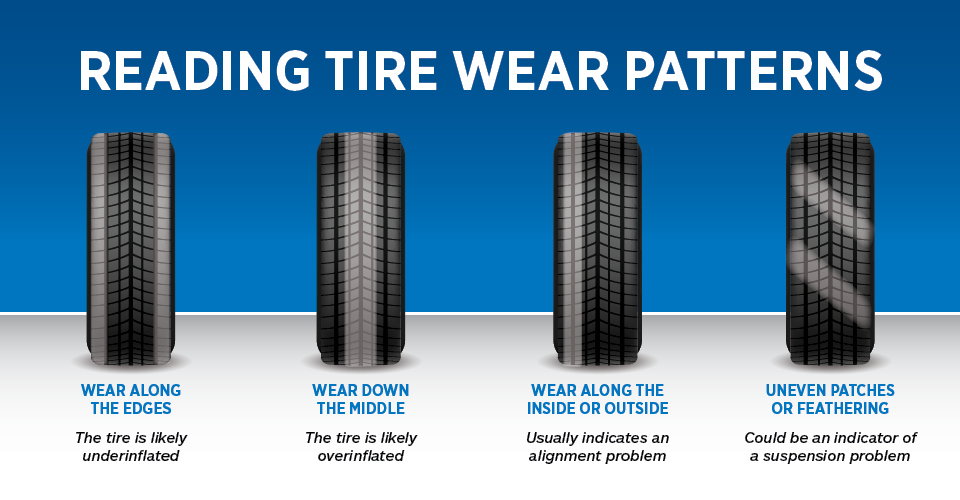
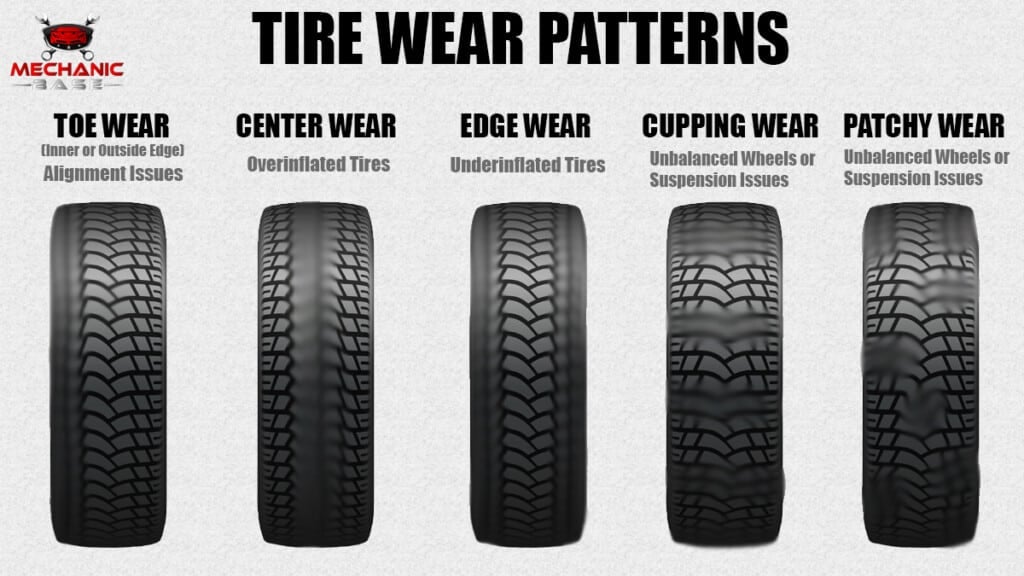
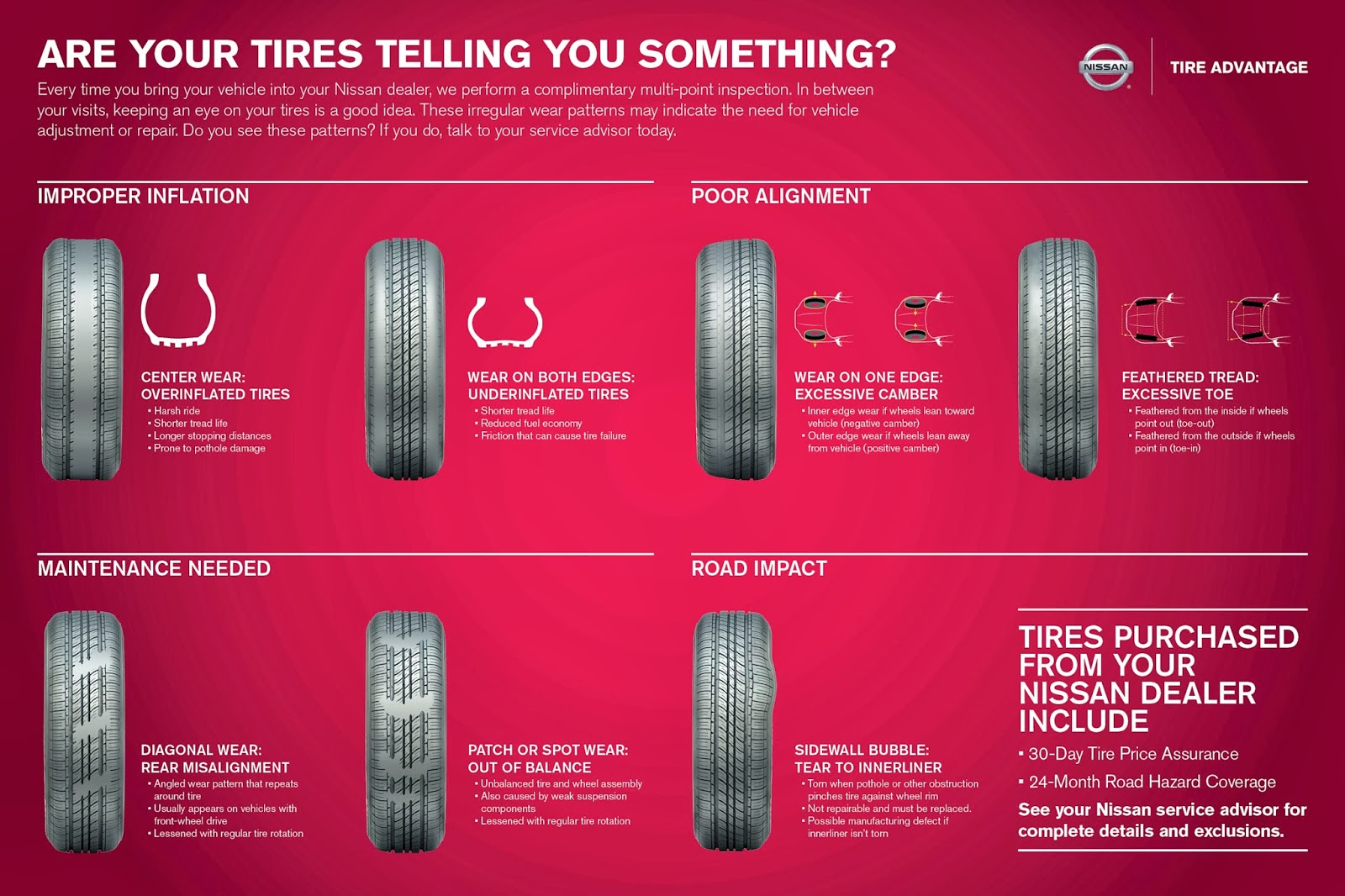
Semi Tire Wear Patterns - Understanding the cause of wear pattern can save money on tire costs and preserve safety. Here are some examples of patterns that require attention. Center wear, edge wear, inside wear, toe wear, cupping, and flat spots. This is different from toe wear’s symmetrical wear pattern; Web in this article, we will discuss the most common tire wear patterns: Web how to identify tire wear patterns & what to do if you spot irregular wear. Web depression wear (intermediate) appearance manifests in the form of oblique wear patches. Web let us walk through various tire wear patterns, including cupping or scalloping, feathering, center wear, edge wear, and patchy wear. Can appear singularly or repeat around the circumference of the tire. Learning how to interpret your tire wear patterns—including both the tread and the sidewall—can tell you a lot about the state of your vehicle and your driving habits overall. Web in this article, we will discuss the most common tire wear patterns: Web explore the intricacies of semi tires wear patterns and fmcsa regulations. This is different from toe wear’s symmetrical wear pattern; Inside tire wear can be caused by overloading, misalignment, underinflated tires, faulty shocks, or even loose wheel bearings. Web to achieve max tire wear, tires should be properly aligned, properly inflated and carry the proper load weight. Follow along as we teach you what to look for in your tire wear patterns, and then what you can do to help get them fixed. Web it's important that you look at the tread wear patterns on your tires whenever you're conducting a pre/post trip inspection. Mismatched inflation pressure or tire diameters in a dual assembly. We made 4 short videos illustrating some of the most common patterns and what to check for. Web how do you identify irregular wear patterns on your commercial steer tires? Probable cause misalignment, radial and lateral runout, severe out of balance, loose wheel bearings or steering parts. Web depression wear (intermediate) appearance manifests in the form of oblique wear patches. Web let us walk through various tire wear patterns, including cupping or scalloping, feathering, center wear, edge wear, and patchy wear. Corrective action check for mismount and worn parts. Corrective. Understanding the cause of wear pattern can save money on tire costs and preserve safety. Thrust / scrub angle wear. Check for mismount and worn parts. Web it's important that you look at the tread wear patterns on your tires whenever you're conducting a pre/post trip inspection. Corrective action check for mismount and worn parts. Web use this page to help diagnose the cause and effect of your irregular tire wear issue and to find out the best solutions. Look for uneven tread depth and abnormal patterns. Web thrust angle tends to show itself when one steer tire is worn on its inside and the other is worn on the outside. Web how to identify. Web to achieve max tire wear, tires should be properly aligned, properly inflated and carry the proper load weight. Regularly examine each tire for signs of wear. Misalignment, radial and lateral runout, severe out of balance, loose wheel bearings or steering parts. From leading manufacturers and important terms to key regulations. However, as a truck driver or fleet owner, it. Inside tire wear can be caused by overloading, misalignment, underinflated tires, faulty shocks, or even loose wheel bearings. Center wear, edge wear, inside wear, toe wear, cupping, and flat spots. Regular tire inspections are key to identifying wear patterns before they become severe. Aggravated by slow rate of wear, poorly maintained suspension components. Can appear singularly or repeat around the. Thrust / scrub angle wear. Center wear, edge wear, inside wear, toe wear, cupping, and flat spots. Mismatched inflation pressure or tire diameters in a dual assembly. You will learn how to identify each pattern, diagnose issues, and determine how to fix the problem. Highlighted in this piece are the. Web depression wear (intermediate) appearance manifests in the form of oblique wear patches. Probable cause misalignment, radial and lateral runout, severe out of balance, loose wheel bearings or steering parts. The way your tires wear is a good indicator of other parts of your trailer. Inside tire wear can be caused by overloading, misalignment, underinflated tires, faulty shocks, or even. Check for mismount and worn parts. Probable cause misalignment, radial and lateral runout, severe out of balance, loose wheel bearings or steering parts. Corrective action check for mismount and worn parts. Your tires can tell you how your rig is handling the road. This causes uneven distribution of pressure and leads to irregular tire wear patterns. Inside tire wear can be caused by overloading, misalignment, underinflated tires, faulty shocks, or even loose wheel bearings. Web it’s no wonder they can sustain significant wear. Web in this article, we will discuss the most common tire wear patterns: Web to achieve max tire wear, tires should be properly aligned, properly inflated and carry the proper load weight. Look. Look for uneven tread depth and abnormal patterns. Web to achieve max tire wear, tires should be properly aligned, properly inflated and carry the proper load weight. Regular tire inspections are key to identifying wear patterns before they become severe. Alternate lugs worn to different tread depths around the tire. Probable cause misalignment, radial and lateral runout, severe out of. Once a week isn't too often. Web it's important that you look at the tread wear patterns on your tires whenever you're conducting a pre/post trip inspection. Can appear singularly or repeat around the circumference of the tire. Regular tire inspections are key to identifying wear patterns before they become severe. Corrective action check for mismount and worn parts. Understanding the cause of wear pattern can save money on tire costs and preserve safety. Web to achieve max tire wear, tires should be properly aligned, properly inflated and carry the proper load weight. Alternate lugs worn to different tread depths around the tire. Web depression wear (intermediate) appearance manifests in the form of oblique wear patches. Misalignment, radial and lateral runout, severe out of balance, loose wheel bearings or steering parts. Learning how to interpret your tire wear patterns—including both the tread and the sidewall—can tell you a lot about the state of your vehicle and your driving habits overall. Web thrust angle tends to show itself when one steer tire is worn on its inside and the other is worn on the outside. Follow along as we teach you what to look for in your tire wear patterns, and then what you can do to help get them fixed. This is different from toe wear’s symmetrical wear pattern; Web let us walk through various tire wear patterns, including cupping or scalloping, feathering, center wear, edge wear, and patchy wear. Web it’s no wonder they can sustain significant wear.
Semi Tires Wear Patterns & FMCSA Regulation Guidance DOTReady DOT
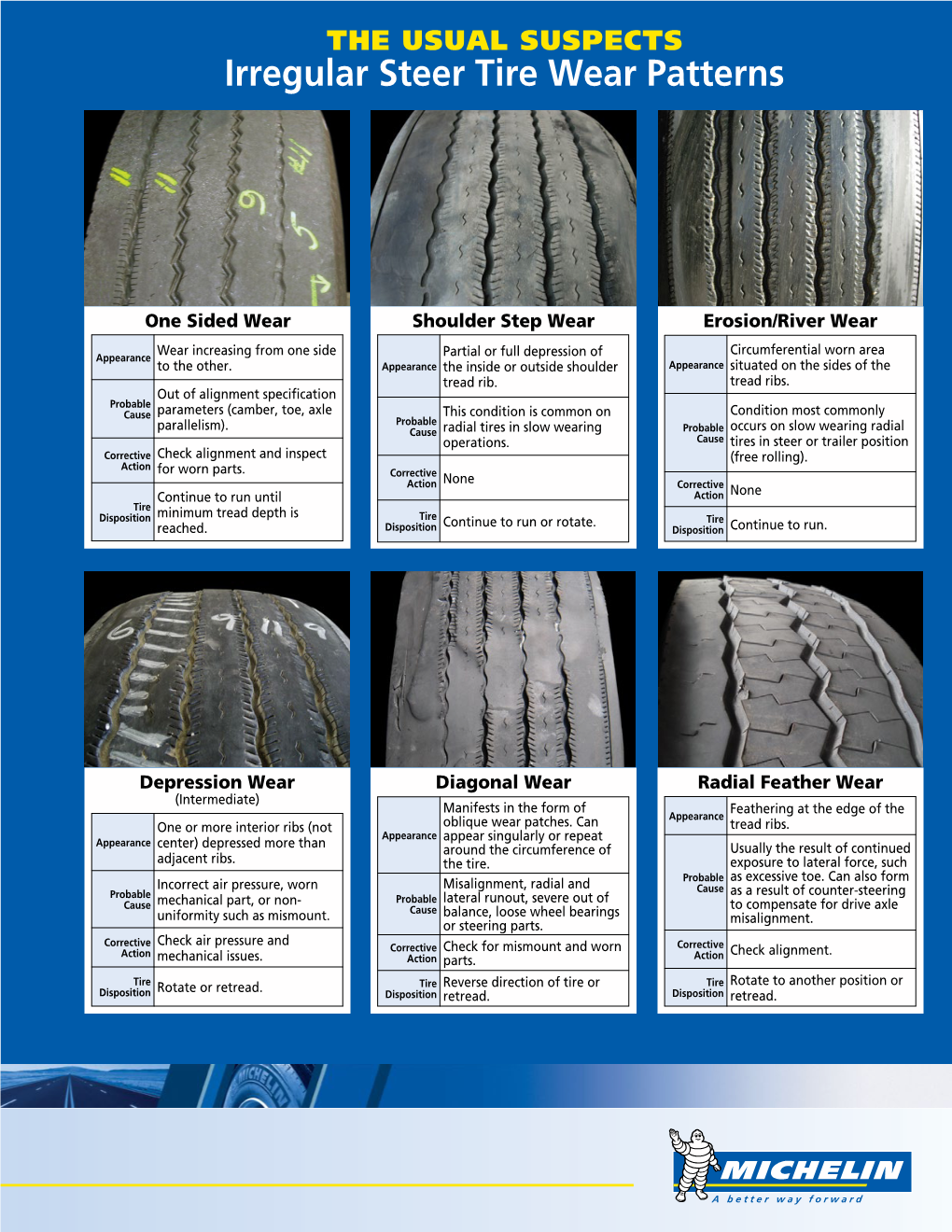
Irregular Steer Tire Wear Patterns DocsLib

Semi Truck Tire Wear Diagram
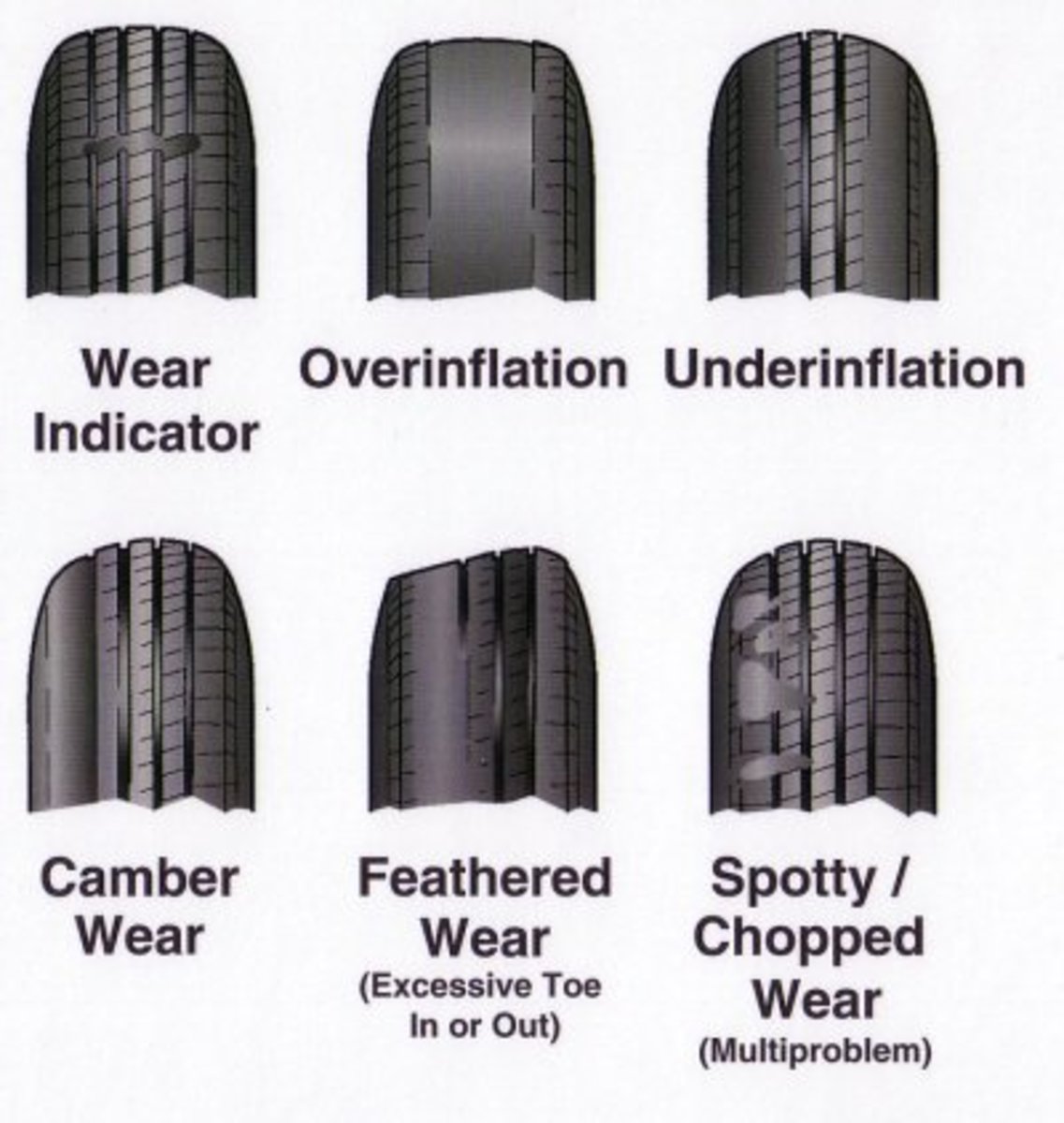
Reasons Not to Buy Discount Tires and How to Extend Tire Life AxleAddict
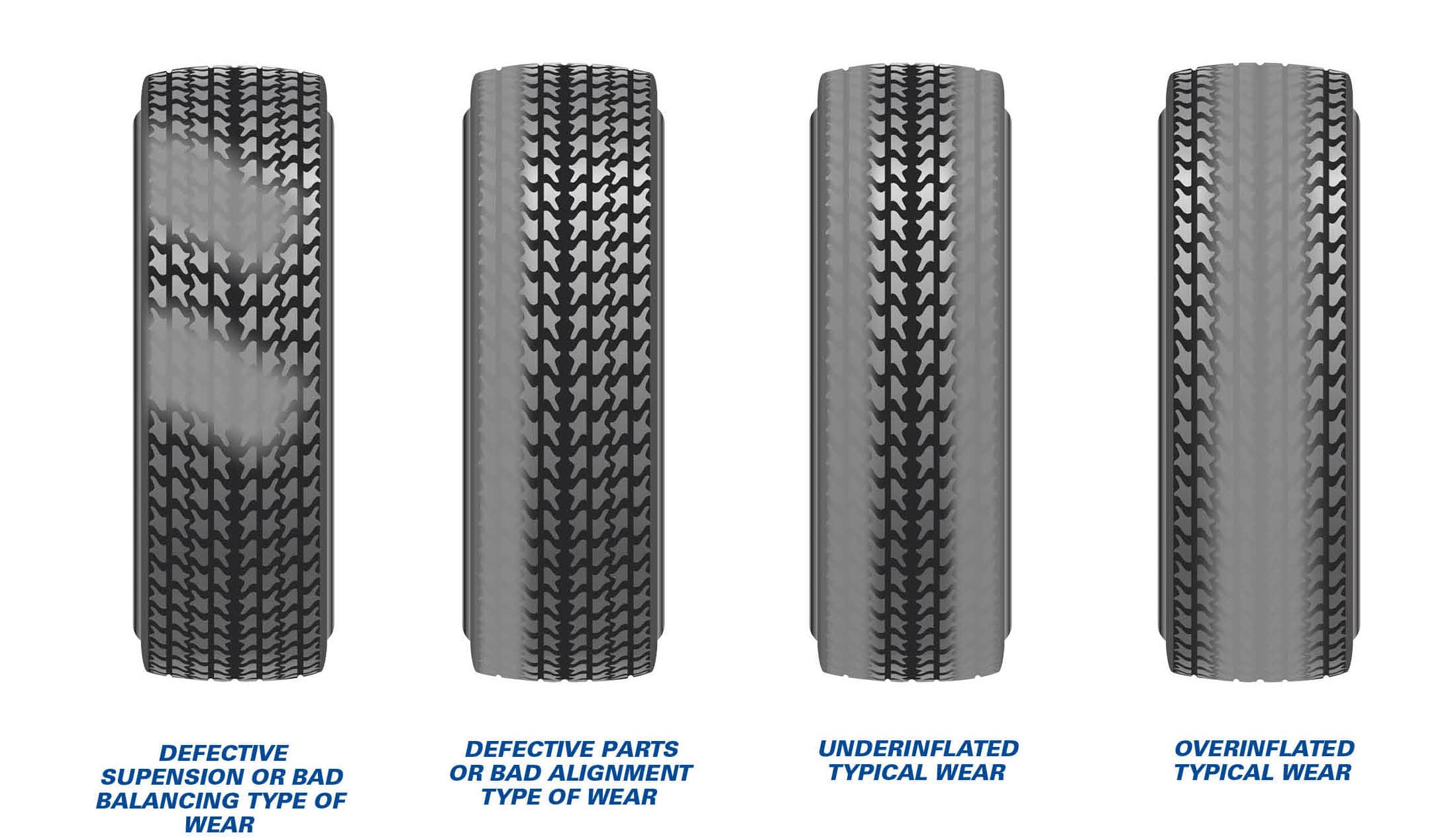
Tire wear patterns needsmoli
Tire Wear Patterns Telle Tire
trailer tire
How to Read Tire Wear Patterns
Semi Truck Tire Wear Diagram

Understanding Tire Wear Patterns S2ki
Web Explore The Intricacies Of Semi Tires Wear Patterns And Fmcsa Regulations.
Tires Should Be Inspected At Every Opportunity;
Web How Do You Identify Irregular Wear Patterns On Your Commercial Steer Tires?
Abnormal Wear Patterns Are Often Caused By The Need For Simple Tire Maintenance, Or Alignment.
Related Post: