
Sacroiliac Joint Referral Pattern
Sacroiliac Joint Referral Pattern - A complete history and physical examination are critical in differentiating other. Web referred pain from the sacroiliac joint mainly distributes to the lower back and buttocks, in addition to the thigh, groin, leg, and even foot (31, 53, 54). O typically causes buttock pain but can radiate diffusely down the posterior thigh o does not/rarely cause midline lumbar pain. Accurate diagnosis of sacroiliac joint (sij) pain is challenging. A statistically significant relationship was identified between pain location and age, with younger patients more likely to describe pain distal to the knee. If numbness and tingling or weakness is present, an alternative diagnosis should be considered. Quality reporting programs, including the hospital inpatient quality reporting program; Web medicare and medicaid programs: Radiation to the groin or fortin area also suggest sacroiliac joint as a source. Web sacroiliac (si) joint dysfunction is a common cause of low back pain and accurate diagnosis can be challenging. Among these other patterns included pain down the posterior/lateral thigh (50%), pain distal to the knee (28%), and pain in the foot (14%) [14]. Radiation to the groin or fortin area also suggest sacroiliac joint as a source. A complete history and physical examination are critical in differentiating other. Sij dysfunction generally refers to aberrant position or movement of sij structures that may or may not result in pain. Web to determine the pain referral pattern of the sacroiliac joint in asymptomatic individuals. Web sacroiliac joint (sij) pain refers to the pain arising from the sij joint structures. Accurate diagnosis of sacroiliac joint (sij) pain is challenging. It is usually caused by abnormal motion (i.e. Web proposed criteria for diagnosis of sacroiliac joint dysfunction can include pain in the area of the sacroiliac joint, reproducible pain with provocative maneuvers, and pain relief with a local anesthetic injection into the sij. Web medicare and medicaid programs: Web localized pain is not always a reliable presentation, as a 2000 study reported 18 different pain referral patterns from the si joint. It can cause sharp, stabbing pain that starts in the hips and pelvis and radiates into the lower back and down the thighs. Sij dysfunction generally refers to aberrant position or movement of sij structures that may. Accurate diagnosis of sacroiliac joint (sij) pain is challenging. A complete history and physical examination are critical in diferentiating other. Specific pain referral zones reported include the posterior superior iliac spine (psis), 1. Sacroiliitis can cause pain and stiffness in the buttocks or lower back, and the. X fortin et al.1 established pain patterns for the sacroiliac joint: Specific pain referral zones reported include the posterior superior iliac spine (psis), 1. Among these other patterns included pain down the posterior/lateral thigh (50%), pain distal to the knee (28%), and pain in the foot (14%) [14]. All 10 individuals experienced discomfort upon initial injection, with the most significant sensation felt directly around the injection site. Web sacroiliac joint dysfunction. Web to determine the pain referral pattern of the sacroiliac joint in asymptomatic individuals. Among these other patterns included pain down the posterior/lateral thigh (50%), pain distal to the knee (28%), and pain in the foot (14%) [14]. Web referral patterns are important to understand in accurately diagnosing and treating sacroiliac joint dysfunction. Web the variable patterns of pain referral. These joints sit where the lower spine and pelvis meet. Web sacroiliac joint pain is most commonly felt in the low back and buttock but can also be referred into the thigh and leg. Sij dysfunction generally refers to aberrant position or movement of sij structures that may or may not result in pain. It can cause sharp, stabbing pain. Web sacroiliac joint dysfunction is a degenerative condition of the sacroiliac joint resulting in lower back pain. Hospital outpatient prospective payment and ambulatory surgical center payment systems; Web pain originating from the sacroiliac joint is likely more common than most providers realize due to difficulty in localizing symptoms and referred pain patterns. Outline the management options available for sacroiliac joint. It is usually caused by abnormal motion (i.e. Specific pain referral zones reported include the posterior superior iliac spine (psis), 1. Using a pain diagram to map out the location of the pain is often very helpful in diagnosis. One common referral pattern is pain or discomfort in one or both buttocks. These joints sit where the lower spine and. Web the variable patterns of pain referral observed may arise for several reasons, including the joint's complex innervation, sclerotomal pain referral, irritation of adjacent structures, and varying locations of injury with the sacroiliac joint. All 10 individuals experienced discomfort upon initial injection, with the most significant sensation felt directly around the injection site. Pain is the main symptom of si. All 10 individuals experienced discomfort upon initial injection, with the most significant sensation felt directly around the injection site. Web proposed criteria for diagnosis of sacroiliac joint dysfunction can include pain in the area of the sacroiliac joint, reproducible pain with provocative maneuvers, and pain relief with a local anesthetic injection into the sij. Hospital outpatient prospective payment and ambulatory. Web referral patterns are important to understand in accurately diagnosing and treating sacroiliac joint dysfunction. All 10 individuals experienced discomfort upon initial injection, with the most significant sensation felt directly around the injection site. Diagnosis is made clinically with pain just inferior to the posterior superior iliac spine that is made worse with. Web sacroiliac joint (sij) pain refers to. Web sacroiliac joint pain is most commonly felt in the low back and buttock but can also be referred into the thigh and leg. If numbness and tingling or weakness is present, an alternative diagnosis should be considered. Pain referral from the sacroiliac joint does not appear to be limited to the lumbar region and buttock. Web to determine the pain referral pattern of the sacroiliac joint in asymptomatic individuals. Web x sacroiliac joints are the joints of the pelvis where the sacrum connects to the ilium. Web eighteen patterns of pain referral were observed. Sij dysfunction generally refers to aberrant position or movement of sij structures that may or may not result in pain. Web sacroiliac joint dysfunction is a term used to describe the pain of the sacroiliac joint (si joint). X fortin et al.1 established pain patterns for the sacroiliac joint: Specific pain referral zones reported include the posterior superior iliac spine (psis), 1. Web referred pain from the sacroiliac joint mainly distributes to the lower back and buttocks, in addition to the thigh, groin, leg, and even foot (31, 53, 54). A statistically significant relationship was identified between pain location and age, with younger patients more likely to describe pain distal to the knee. One common referral pattern is pain or discomfort in one or both buttocks. Using a pain diagram to map out the location of the pain is often very helpful in diagnosis. Web the variable patterns of pain referral observed may arise for several reasons, including the joint's complex innervation, sclerotomal pain referral, irritation of adjacent structures, and varying locations of injury with the sacroiliac joint. Sacroiliac joint syndrome is a significant source of pain in 15% to 30% of people with mechanical low back pain.
Sacroiliac Joint Referred Pain
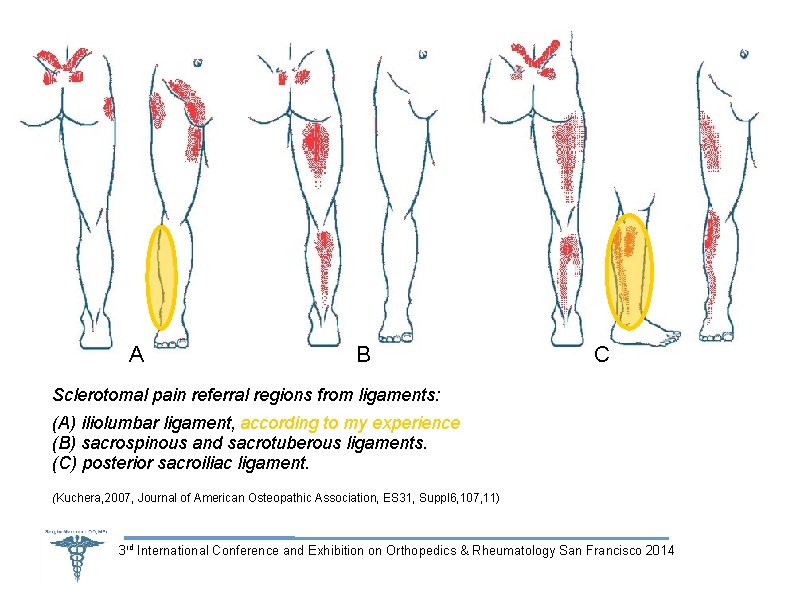
SACROILIAC JOINT BIOMECHANICS AND ITS POTENTIAL CLINICAL IMPLICATIONS
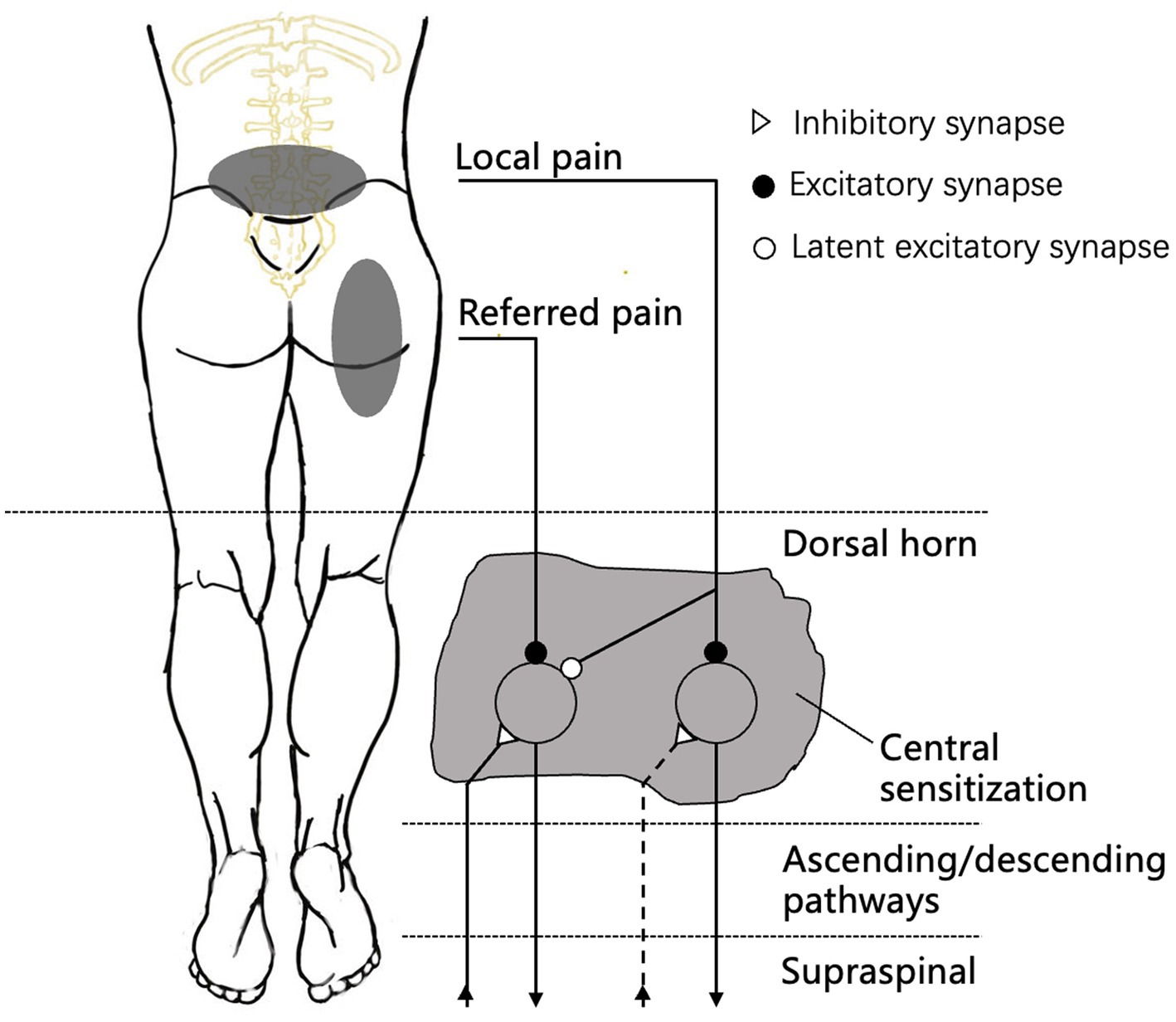
Si Joint Pain Referral Patterns

Typical Pain Referral Pattern Of Sacroiliac Joint Pai vrogue.co
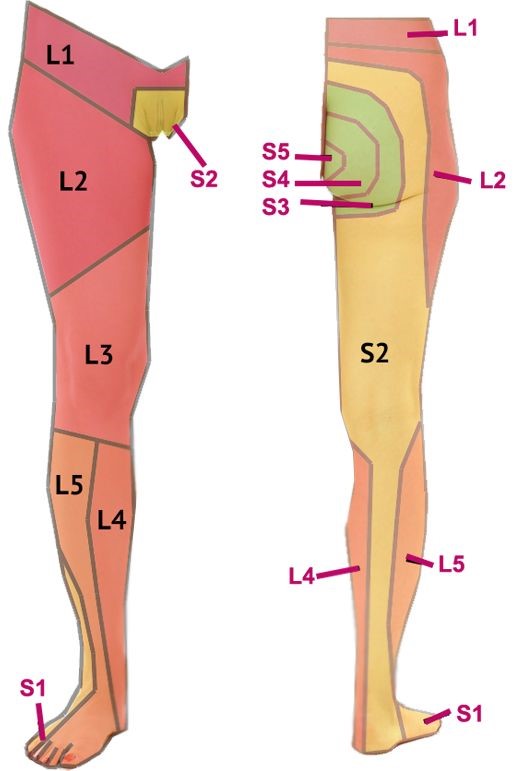
The Referral Patterns of the Sacroiliac Joint, Facet Joints, and
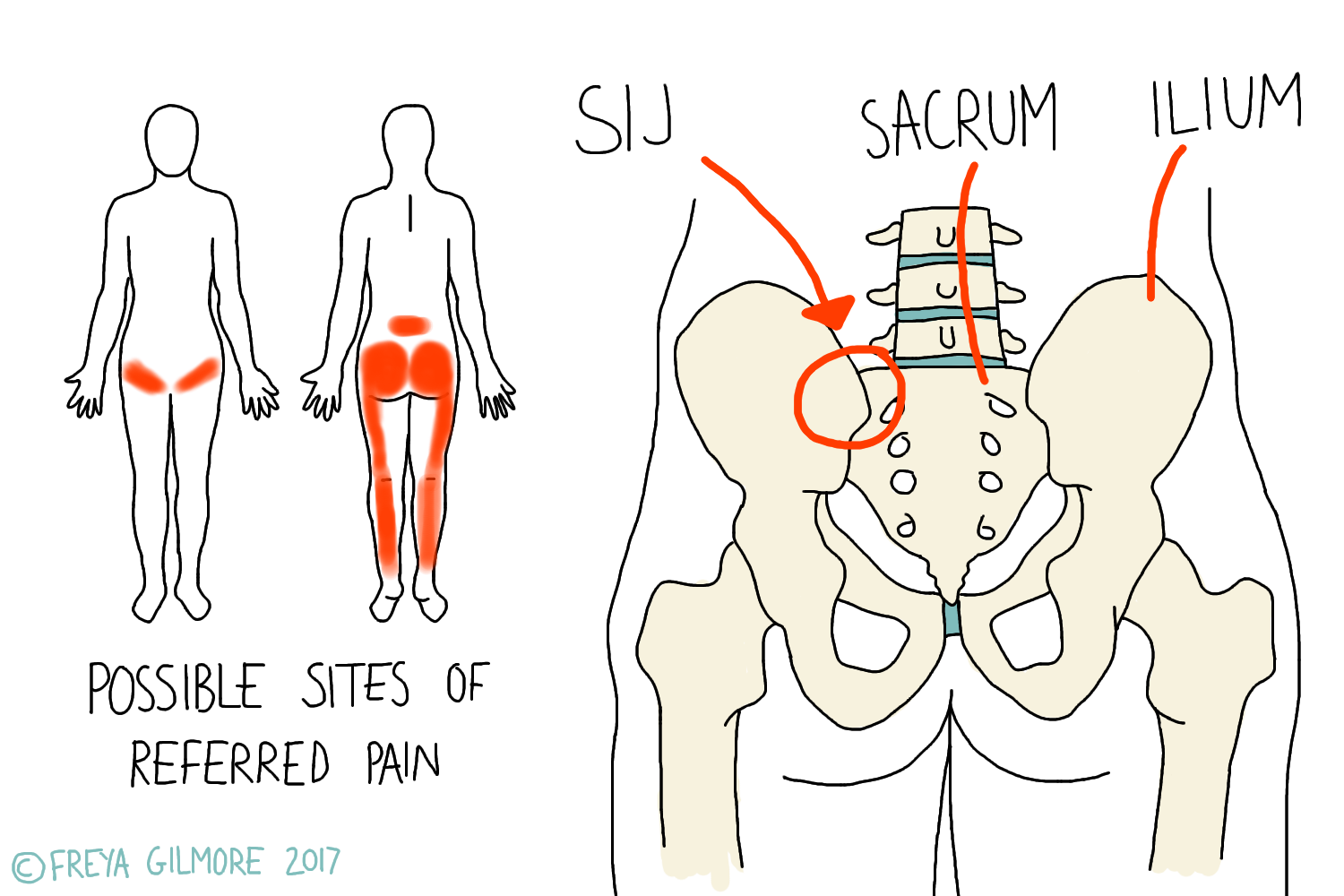
The Sacroiliac Joint (SIJ) Beth Forrest Osteopathy
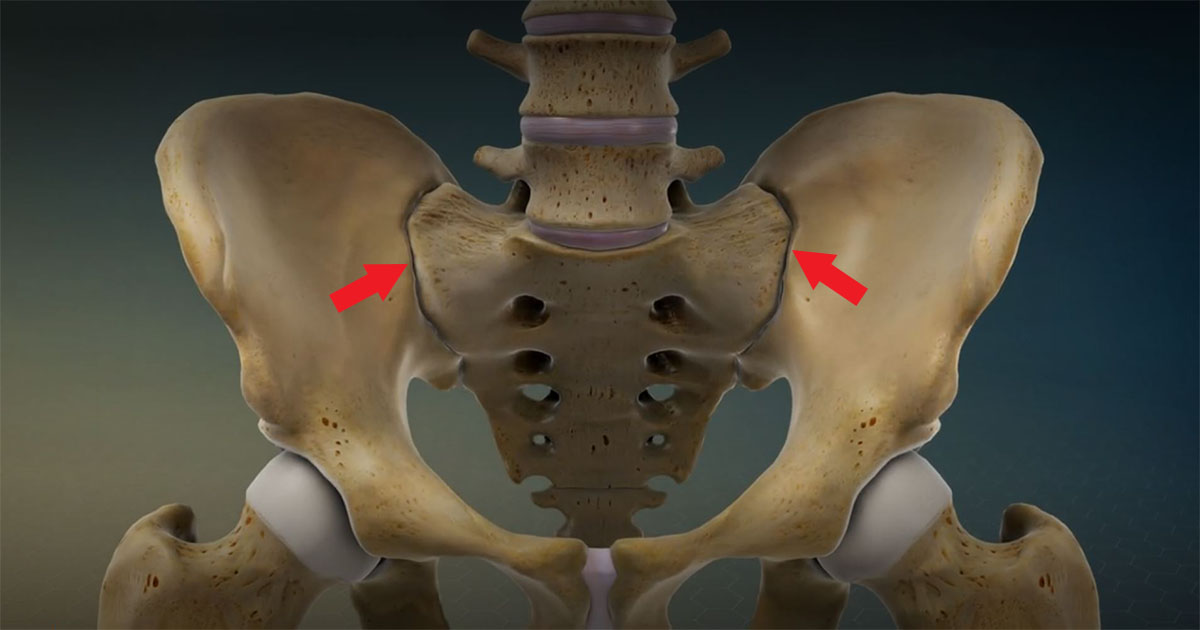
Sacroiliac Joint Pain Pontchartrain Orthodepics & Sports Medicine
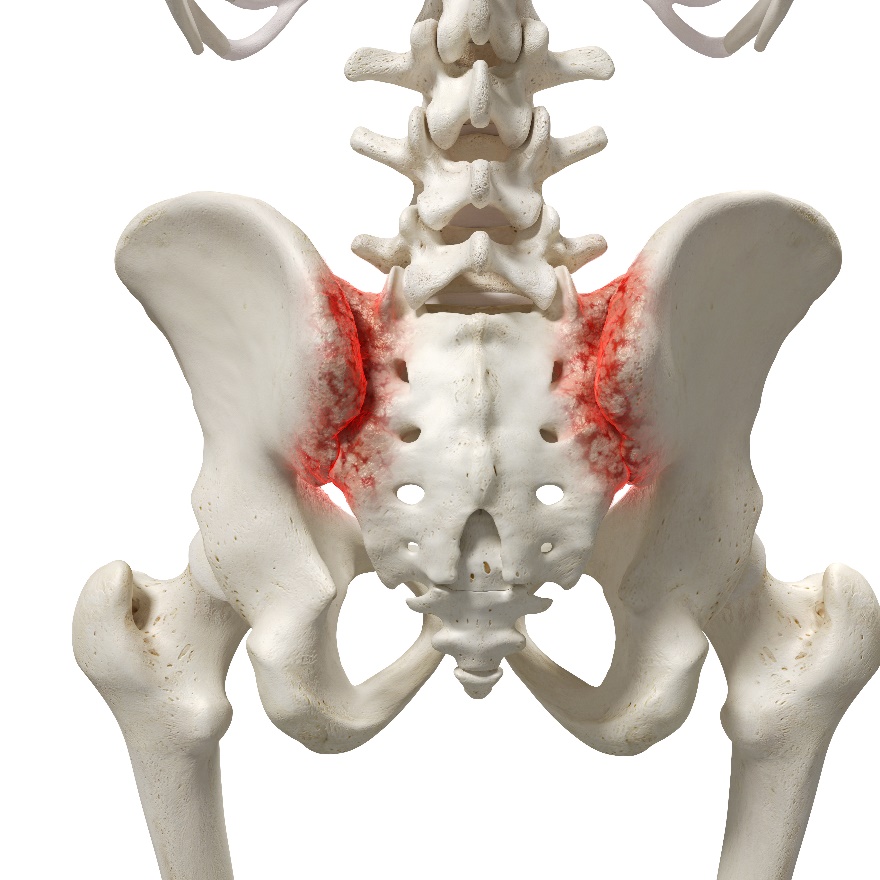
Sacroiliac Joint Pain "Other Hip Pain" Cornell Pain Clinic

Pain referral from the sacroiliac joint. Van der Wurff et al., 2006 [33

Typical pain referral pattern of sacroiliac joint pain (illustration
A Complete History And Physical Examination Are Critical In Differentiating Other.
Web Sacroiliac Joint Dysfunction Is A Degenerative Condition Of The Sacroiliac Joint Resulting In Lower Back Pain.
The Constellation Of Symptoms Attributed To Sijs Includes Pain Referral To Numerous Anatomic Regions.
However, All Of These Diagnostic Tools Have Limitations.
Related Post: